New World Screwworm (NWS)
Image
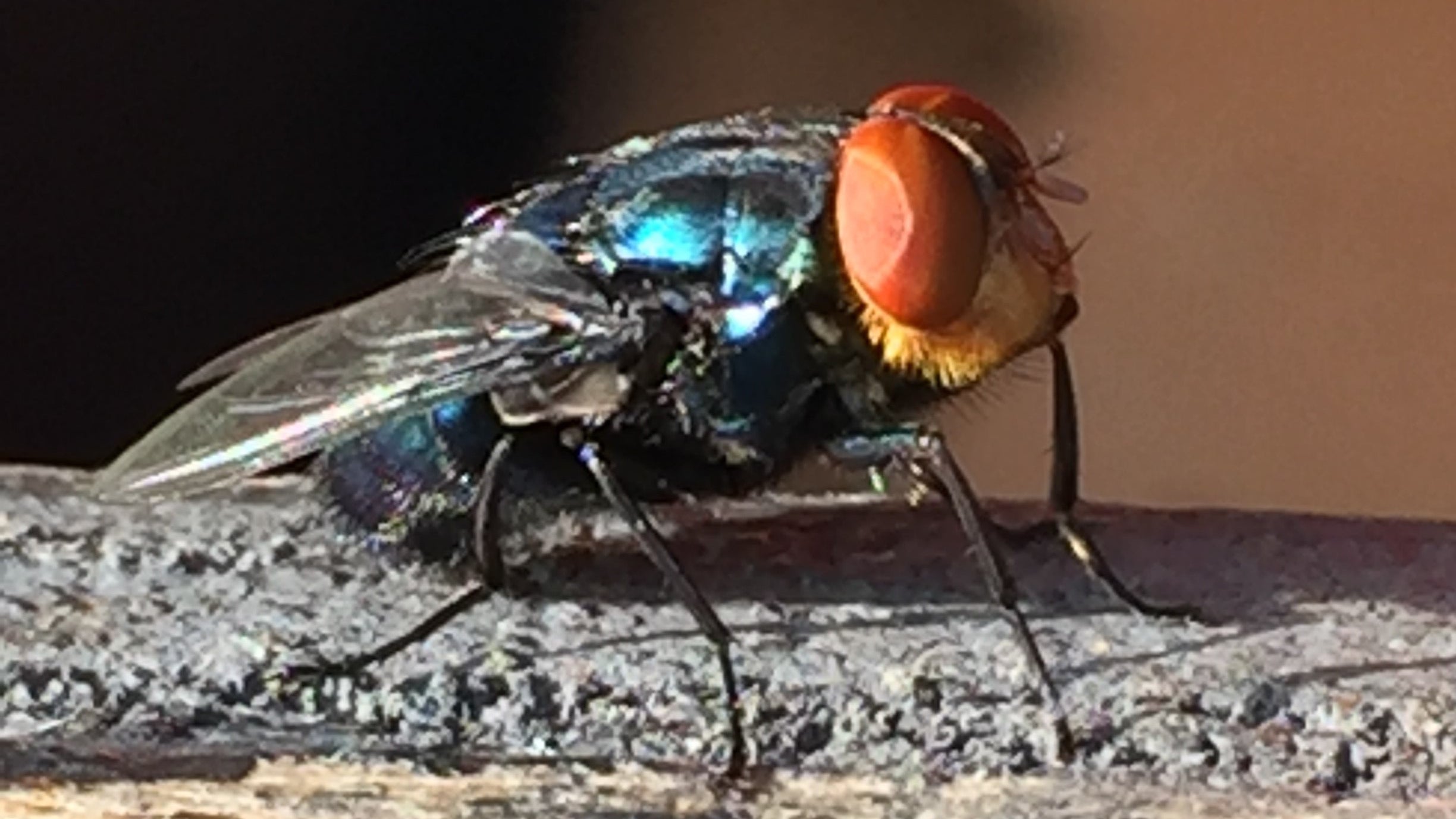
The New World screwworm (Cochliomyia hominivorax ) is a parasitic fly that lays its eggs in the open wounds and mucous membranes of warm-blooded animals, including livestock, pets, and in rare cases, humans. The larvae, or maggots, feed on the living flesh of the host, which can lead to severe damage and potentially death if left untreated. The U. S. eradicated the screwworm in 1966, but a recent northward progression of cases from Central America has renewed concerns. A sterile insect technique, which involves releasing sterilized male flies to prevent the reproductive cycle, is a key tool in eradicating the pest.
COMMUNITY
- NWS General Information
- NWS: What You Need To Know
- NWS and Agriculture Employees
- NWS and Agriculture Producers
HEALTHCARE PROVIDERS
- About New World Screwworm
- Clinical Overview of New World Screwworm
- NWS Information for Healthcare Providers
- NWS: What Healthcare Providers Need To Know
- Telediagnosis of NWS
LOCAL HEALTH DEPARTMENTS
- NWS Case Definition
- NWS Case Report Form
- NWS Information for Local Health Departments
- NWS Investigation and Reporting Guide
- NWS Investigation and Response in Humans
- Interim Considerations for Advanced Readiness and Preparedness for New World Screwworm (NWS) infestations in Humans